
Is the Palm Springs Aerial Tramway Worth the Time on a Short Visit?
Yes—often, if the Palm Springs Aerial Tramway and its mountain summit are a priority and your schedule can absorb variable waiting and weather. The tram ride itself takes about 10 minutes each way, but the real time commitment includes boarding, queues, summit time and the return, so a tightly scheduled visitor should treat it as a flexible mountain outing rather than a quick 20-minute ride.
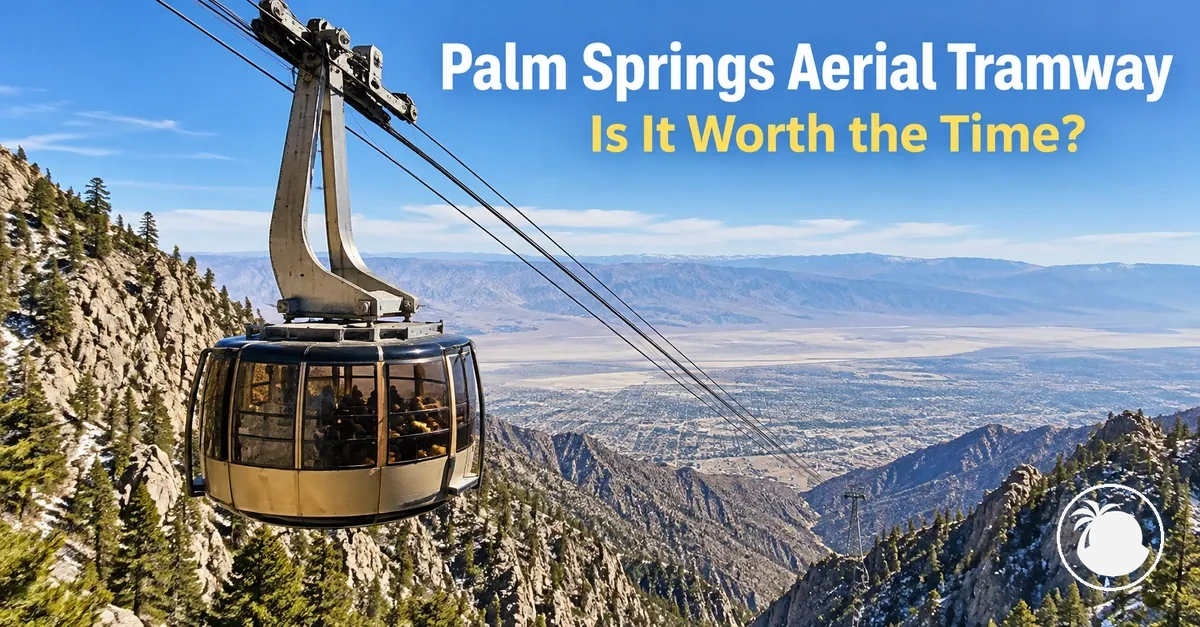
Short-visit decision guide
Use the Tramway as a priority-based decision: the fixed ride time is short, while waiting, summit activities and mountain conditions determine whether it fits a limited Palm Springs schedule.
- Ride
- About 10 minutes each way
- Summit climate
- Typically 30–40°F (17–22°C) cooler than the valley floor
- Total visit
- Variable: queues and summit dwell time drive the total
- Core access
- Valley Station, tram cars and Mountain Station are wheelchair accessible
Stronger fit
The ride, views or summit are a major priority; you have schedule flexibility; and you can adapt the summit plan to current conditions.
Conditional fit
You mainly want the ride and views but have limited time. Keep the summit plan simple, check the current operating situation and preserve return-time margin.
Weaker fit
You have several fixed priorities, little buffer for queues, or a weather-sensitive summit plan with no flexibility if conditions change.
Decision rule: if variable waiting or mountain conditions could force you to sacrifice a higher-priority fixed activity, the Tramway is a weaker use of a short visit.
Table of Contents
When the Aerial Tramway Fits a Short Palm Springs Visit
The Palm Springs Aerial Tramway fits a short Palm Springs visit when three things align: available time, intended summit use, and tolerance for variable conditions. A visitor who wants the ride, mountain views and summit as a main experience can justify more of the day than someone treating the Tramway as a secondary stop.
Stronger fit
- Your schedule can absorb uncertain boarding or return waits.
- The tram ride, views or summit are among the visit's main priorities.
- You can spend longer at Mountain Station if hiking or another extended activity is part of the plan.
- You can adjust the summit plan if weather changes the value of outdoor activities.
Weaker fit
- Your sightseeing window is tightly constrained by other fixed priorities.
- Even a moderate queue would displace something you value more.
- Your intended summit activity depends heavily on weather and you have no schedule flexibility.
- You mainly want a very quick ride rather than the combined ride-and-summit experience.
In practice: views-only visitors can keep summit dwell time shorter, while hiking-oriented visitors need a larger and more flexible time block.

How Long to Allow for the Aerial Tramway Visit
Total visit time is a variable block, not a guaranteed duration. The one-way tram ride is approximately 10 minutes; the visit also includes arrival, boarding, any queue, time at Mountain Station and the return process.
How the time block is built
- Arrival and boarding: check in, reach the boarding area and allow for any pre-boarding wait.
- Outbound ride: approximately 10 minutes.
- Summit stay: variable; viewpoints can be brief, while walks, dining, hiking or seasonal activities add time.
- Return queue: allow for possible waiting at Mountain Station before boarding down.
- Descending ride: approximately 10 minutes back to Valley Station.
For a tight schedule, add flexibility around the variable parts rather than planning from the roughly 20 minutes of in-car travel alone.
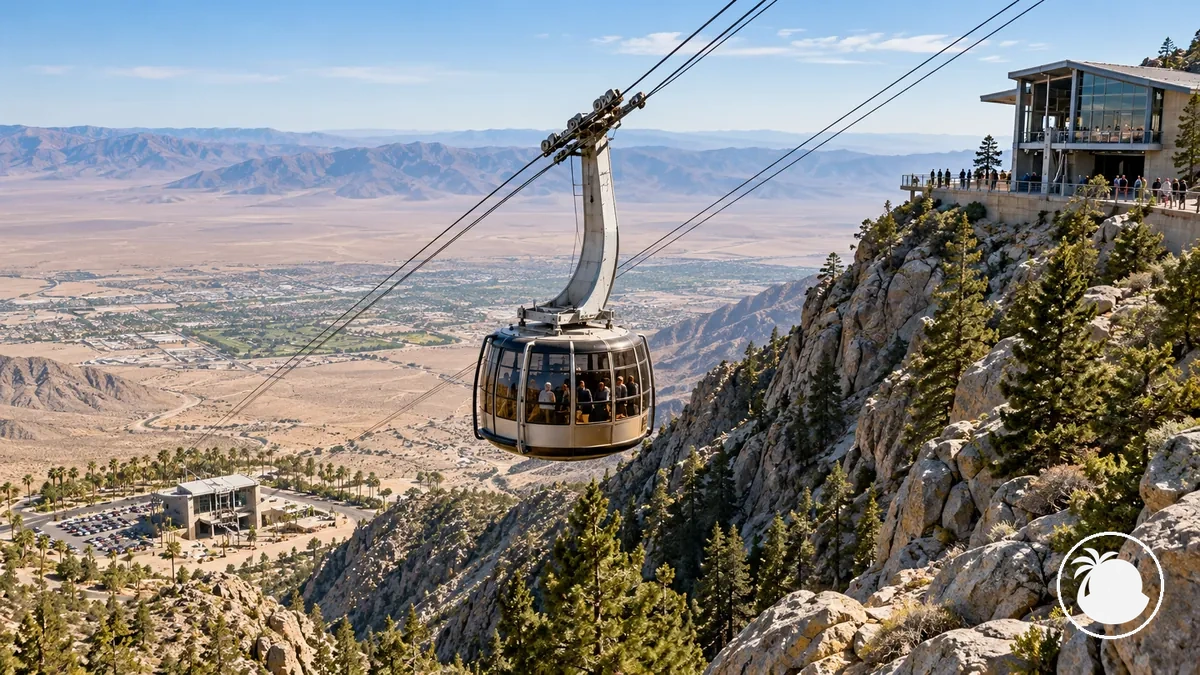
Ride Time Versus Total Visit Time
Ride time is only one component of total visit time. The one-way journey is about 10 minutes, while the full visit expands with waiting and the amount of time you choose to spend at the summit.
| Time component | Duration or condition | Variability | Planning implication |
|---|---|---|---|
| One-way ride | Approximately 10 minutes | Relatively stable | Provides the ride-time baseline |
| Waiting | No single fixed duration | Variable with queue conditions | Longer waiting extends total visit time |
| Summit dwell time | Determined by the visitor's summit stay | Variable with visitor choice | A longer summit stay increases total duration |
| Return | Return waiting plus an approximately 10-minute ride | Partly variable | The queue can extend the return beyond the ride time |
The stable ride segment is therefore useful as a baseline, not as a prediction of how long the attraction will occupy your schedule.
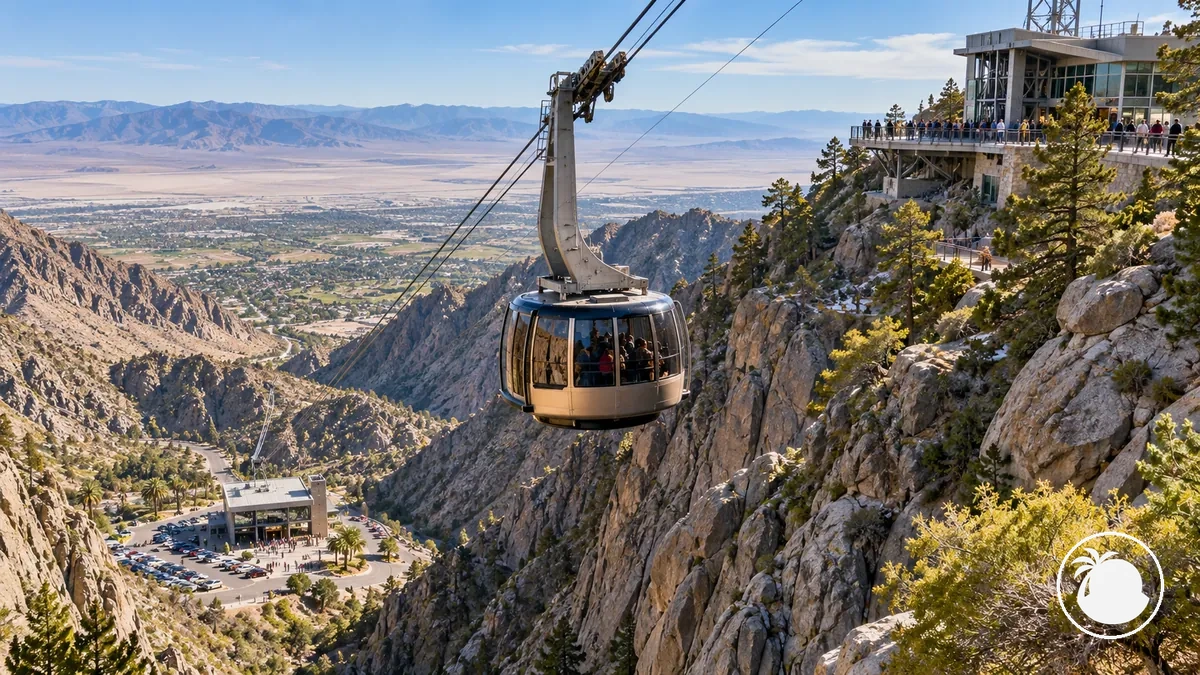
How Wait Times Extend the Total Visit
Waiting before the ascent or before the return tram adds directly to total visit time, but no single exact queue duration applies to every visit.
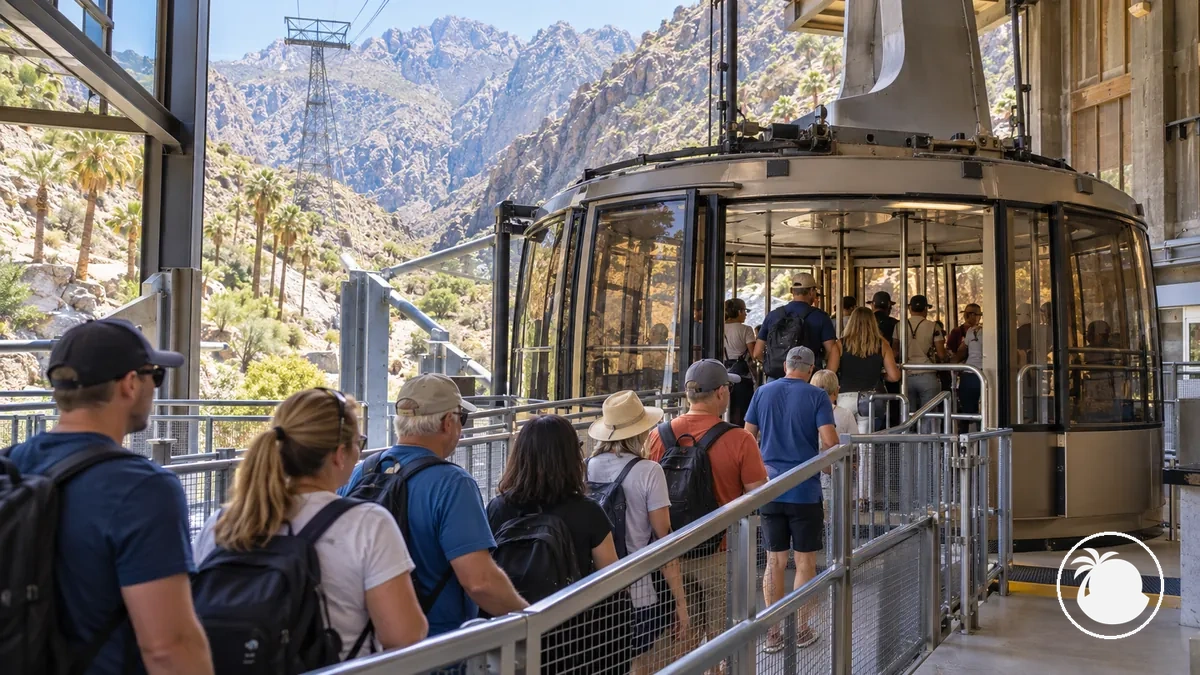
What can increase the planning buffer
- Weekends and holidays
- Higher demand can make queue length less predictable than during quieter periods.
- Timed entry
- If timed entry applies, its current rules affect when you enter the boarding process.
- Walk-ins
- If permitted, boarding availability can be less predictable without a reserved time.
- Return queue
- Waiting at Mountain Station can extend the visit even after your summit activity is complete.
Planning rule: verify the current Tramway schedule and admission procedures for your visit date, then keep enough flexibility that a queue does not undermine the rest of the day.
What the Ride and Summit Experience Includes
The Palm Springs Aerial Tramway is best understood as two connected experiences: the aerial journey through Chino Canyon and the time you choose to spend at Mountain Station.
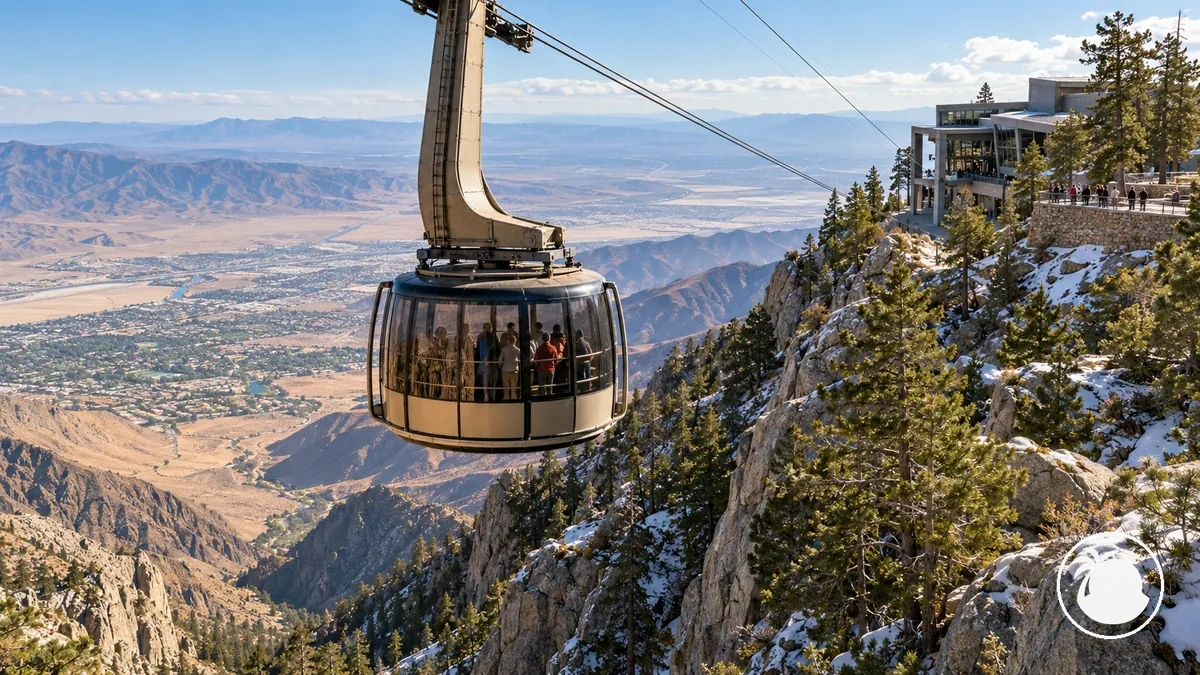
The ride
The rotating tram car changes viewing direction as it climbs from the desert setting toward mountain terrain, making the journey itself part of the attraction.
The summit
Views, short walks, hiking, dining and seasonal activities can extend the visit. Current weather, trail conditions and facility operations determine which options are practical on the day.
That distinction matters for a short visit because the ride has a relatively stable duration, while summit choices create most of the discretionary time commitment.
The Rotating Tram Ride and Mountain Views
The rotating tram travels about 2.5 miles (4.0 km) through Chino Canyon, climbing from Valley Station at roughly 2,643 ft (806 m) to Mountain Station at about 8,516 ft (2,596 m). The one-way journey takes approximately 10 minutes.
- Car movement
- The tram car rotates slowly, changing passengers' viewing direction during the ascent and descent.
- View context
- Chino Canyon, the valley floor and surrounding mountain terrain appear from changing elevations and angles.
- Visibility condition
- Cloud, haze or other weather can reduce the views even when the tram is operating.
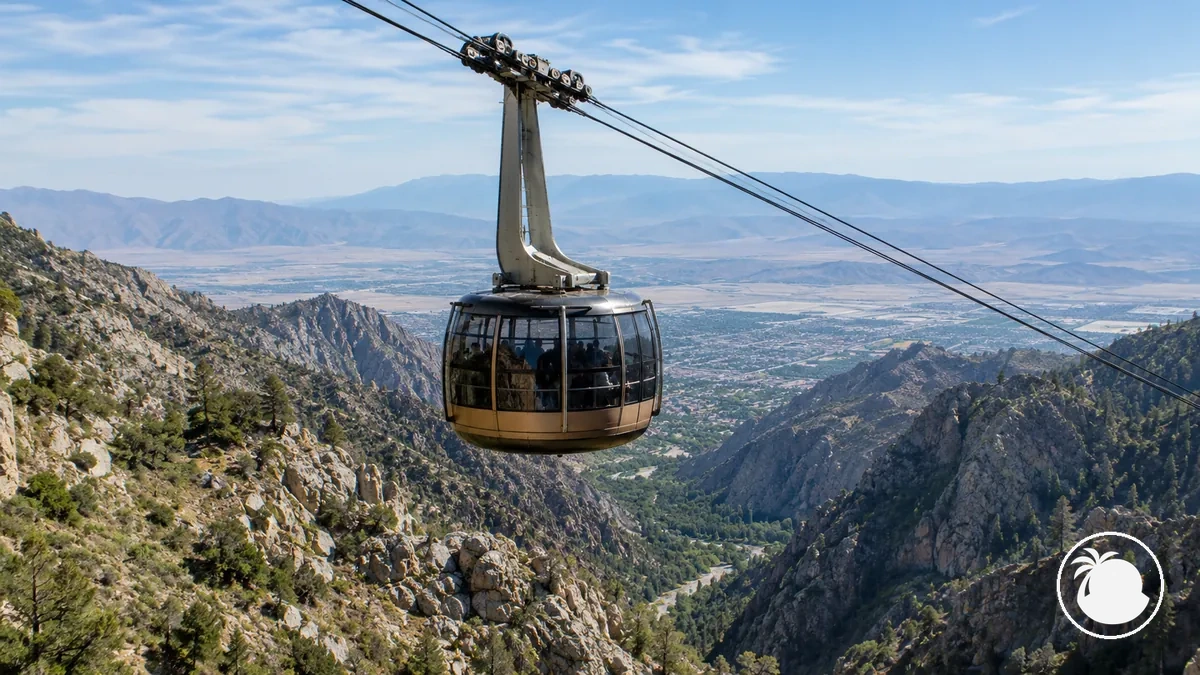
The ride therefore has its own sightseeing value, separate from whatever activity you choose after reaching Mountain Station.
Activities at the Summit
Summit activities range from quick viewpoints to longer outdoor plans. Your chosen activity is the main controllable driver of summit dwell time.
Quickest
Viewpoints and observation areas suit a visit centred on mountain and valley views.
Short extension
Short walks add outdoor exploration without making hiking the main purpose of the summit visit.
Variable
Dining and indoor facilities can add time when those facilities are operating.
Longer commitment
Hiking requires more time and effort, with route choice and trail conditions affecting the plan.
Season-dependent
Seasonal activities can extend the stay when offered and when mountain conditions permit.
For a short Palm Springs visit, match the summit plan to the time you can protect: a views-focused stop is easier to contain than hiking or another extended activity.
How Summit Weather Can Change the Visit
Mountain Station sits in a markedly different environment from the desert floor, so Palm Springs weather does not by itself establish summit conditions. Temperature, wind, visibility and precipitation can change comfort, views, activity choice and sometimes operations.
Temperature
Cooler summit air can require extra layers even when Palm Springs feels hot.
Wind
Stronger mountain wind can reduce comfort outdoors and may affect operations.
Visibility
Cloud or haze can reduce the mountain-and-valley views without necessarily closing the Tramway.
Precipitation
Rain or snow can change trail and outdoor conditions and make some activities less practical.
Same-day check: use the Tramway's current summit weather and operating status rather than relying on seasonal expectations alone.
Temperature Differences Between Palm Springs and the Summit
This is a typical difference, not a forecast; daily weather can produce a smaller or larger gap.
Carry or wear a warmer layer when conditions warrant it, and check the current Mountain Station temperature before deciding what to wear or how long to spend outdoors.
Wind and Weather-Related Closures
High winds and other adverse mountain weather can interrupt operations, delay boarding or reduce the value of planned outdoor time.
Adverse weather
indicates a higher risk of disruption.
A confirmed closure or delay
comes from the Tramway's current operating status.
For a short visit, check the same-day operating status before committing travel time to Valley Station rather than inferring service from weather conditions alone.
How Time of Day Affects the Tramway Visit
There is no universal best time of day. The practical choice depends on current operating hours, daylight, crowding, summit temperature and the activity you want to complete.
Earlier visit
Usually leaves more operating and daylight margin for hiking or another longer summit activity, and gives you more room to absorb an unexpected wait.
Later visit
Can work for a shorter ride-and-views visit when the remaining operating window and daylight are sufficient for the intended summit plan and return.
- Operating window
- Compare the current first and last tram times with the complete visit you intend to make.
- Daylight
- Protect enough natural light when views, walking or hiking are central to the visit.
- Crowding
- Demand can vary; time of day alone does not establish a specific queue length.
- Temperature
- Consider the expected summit conditions, not only the desert-floor temperature.
- Return margin
- Finish the summit activity with enough time to join any return queue before the current last tram down.
The best timing is therefore the one that protects the activity window plus a realistic buffer, not simply the earliest or latest available departure.
Wheelchair Accessibility at the Palm Springs Aerial Tramway
The Palm Springs Aerial Tramway's core visitor journey is wheelchair accessible. The Tramway states that Valley Station, the tram cars and Mountain Station are wheelchair accessible and ADA compliant, with accessible parking and elevators supporting the station route.
Core access path
- Parking and arrival: designated accessible parking supports arrival at Valley Station.
- Valley Station: wheelchair access and elevators support movement through the facility.
- Boarding and tram car: the tram cars accommodate wheelchair users for the journey between stations.
- Mountain Station: wheelchair access and elevators serve the station facility.
- Outdoor terrain: trails, paths and individual summit activities have separate terrain and accessibility conditions.